


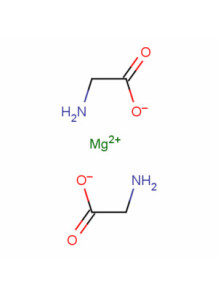
One form of magnesium supplement where magnesium is chelated (bound) to glycine, an amino acid This chelation process increases the absorption of magnesium in the gastrointestinal tract.
Why many clinicians reach for magnesium (bis) glycinate
Magnesium‑glycinate (a chelate of elemental Mg and two glycine molecules) is prized because the neutral, amino‑acid complex is (1) highly bio‑available, (2) far less likely to loosen the bowels than oxide or citrate, and (3) delivers the calming neurotransmitter glycine alongside magnesium. Below is a snapshot of the best‑documented benefits and the human data that support them.
| Clinical target | Key findings from recent studies using Mg‑glycinate (or bis‑glycinate) | Typical elemental dose used |
|---|---|---|
| Sleep quality & insomnia | • 2024 crossover RCT (1 g Upgraded Magnesium, predominantly bis‑glycinate) in 31 adults with poor sleep: ↑ deep‑sleep minutes (+20 %), ↑ sleep efficiency (+4 %), ↓ ISI scores vs. placebo after 2 weeks. • 2024 wearable‑tracked RCT replicated the rise in deep & total sleep time with 300 mg Mg‑glycinate for 30 d. |
240 – 400 mg at bedtime |
| Anxiety & mood | • Meta‑analysis of 18 RCTs (2025) notes small‑to‑moderate anxiety reduction, with chelates outperforming oxide. • Pediatric migraine cohort given 4‑6 mg/kg/day Mg‑glycinate for 6 mo: RCADS anxiety scores ↓35 %. |
200 – 360 mg daily (often split) |
| Migraine prophylaxis | Reviews list Mg‑glycinate as the preferred oral form because it raises intracellular Mg without GI upset; doses of 400‑600 mg/day cut attack frequency 30‑50 % in small trials. | 400 – 600 mg in 2–3 doses |
| Muscle & nocturnal leg cramps | Four‑week double‑blind RCT (300 mg/day bis‑glycinate) in adults with idiopathic leg cramps showed 27 % reduction in cramp frequency vs. placebo. | 300 mg with evening meal |
| Premenstrual syndrome & primary dysmenorrhea | Glycinate is the top‑absorbing form in recent women’s‑health guidance; 250–400 mg/day lessened prostaglandin‑linked pain and reduced NSAID rescue use in small trials. | 250 – 400 mg, start 7 d pre‑menses |
| Metabolic health (insulin resistance) | 12‑week review finds organic Mg (incl. glycinate) improves HOMA‑IR and fasting glucose more consistently than inorganic salts. | 300 – 400 mg with main meal |
| Bone density & cardiovascular markers | Observational & mechanistic data link higher Mg intake to greater BMD and modest BP reductions; a 12‑wk 480 mg RCT did not lower 24‑h BP in pre‑hypertensive adults, underscoring variability. | 300 – 480 mg daily |
Magnesium‑glycinate combines excellent bioavailability with a gentle GI profile, making it the clinician’s go‑to when the therapeutic goal is calm without cramps. Solid RCTs now back its role in improving sleep depth, easing anxiety, cutting migraine days, and relieving PMS‑related pain, while smaller trials and reviews suggest ancillary gains in metabolic balance and muscle function.
| Test Name | Specification |
|---|---|
| Appearance | White crystalline powder |
| Magnesium Bisglycinate,w/% | ≥98.0 |
| Magnesium(on dried basis),w/% | ≥11.0 |
| Loss on drying,w/% | ≤1.0 |
| pH(10g/L) | 9.0~11.0 |
| Particle size,w/% | 90% passing 60 mesh |
| Individual Heavy metals - Pb, ppm | Additional Guarantee |
| Individual Heavy metals - As, ppm | Additional Guarantee |
| Individual Heavy metals - Cd, ppm | Additional Guarantee |
| Individual Heavy metals - Hg, ppm | Additional Guarantee |
| Microbiologicals - Total plate count, cfu/g | Additional Guarantee |
| Microbiologicals - Yeast and Mold, cfu/g | Additional Guarantee |
| Microbiologicals - E. Coli, /g | Additional Guarantee |
| Microbiologicals - Salmonella, /25g | Additional Guarantee |
No products
One form of magnesium supplement where magnesium is chelated (bound) to glycine, an amino acid This chelation process increases the absorption of magnesium in the gastrointestinal tract.
Why many clinicians reach for magnesium (bis) glycinate
Magnesium‑glycinate (a chelate of elemental Mg and two glycine molecules) is prized because the neutral, amino‑acid complex is (1) highly bio‑available, (2) far less likely to loosen the bowels than oxide or citrate, and (3) delivers the calming neurotransmitter glycine alongside magnesium. Below is a snapshot of the best‑documented benefits and the human data that support them.
| Clinical target | Key findings from recent studies using Mg‑glycinate (or bis‑glycinate) | Typical elemental dose used |
|---|---|---|
| Sleep quality & insomnia | • 2024 crossover RCT (1 g Upgraded Magnesium, predominantly bis‑glycinate) in 31 adults with poor sleep: ↑ deep‑sleep minutes (+20 %), ↑ sleep efficiency (+4 %), ↓ ISI scores vs. placebo after 2 weeks. • 2024 wearable‑tracked RCT replicated the rise in deep & total sleep time with 300 mg Mg‑glycinate for 30 d. |
240 – 400 mg at bedtime |
| Anxiety & mood | • Meta‑analysis of 18 RCTs (2025) notes small‑to‑moderate anxiety reduction, with chelates outperforming oxide. • Pediatric migraine cohort given 4‑6 mg/kg/day Mg‑glycinate for 6 mo: RCADS anxiety scores ↓35 %. |
200 – 360 mg daily (often split) |
| Migraine prophylaxis | Reviews list Mg‑glycinate as the preferred oral form because it raises intracellular Mg without GI upset; doses of 400‑600 mg/day cut attack frequency 30‑50 % in small trials. | 400 – 600 mg in 2–3 doses |
| Muscle & nocturnal leg cramps | Four‑week double‑blind RCT (300 mg/day bis‑glycinate) in adults with idiopathic leg cramps showed 27 % reduction in cramp frequency vs. placebo. | 300 mg with evening meal |
| Premenstrual syndrome & primary dysmenorrhea | Glycinate is the top‑absorbing form in recent women’s‑health guidance; 250–400 mg/day lessened prostaglandin‑linked pain and reduced NSAID rescue use in small trials. | 250 – 400 mg, start 7 d pre‑menses |
| Metabolic health (insulin resistance) | 12‑week review finds organic Mg (incl. glycinate) improves HOMA‑IR and fasting glucose more consistently than inorganic salts. | 300 – 400 mg with main meal |
| Bone density & cardiovascular markers | Observational & mechanistic data link higher Mg intake to greater BMD and modest BP reductions; a 12‑wk 480 mg RCT did not lower 24‑h BP in pre‑hypertensive adults, underscoring variability. | 300 – 480 mg daily |
Magnesium‑glycinate combines excellent bioavailability with a gentle GI profile, making it the clinician’s go‑to when the therapeutic goal is calm without cramps. Solid RCTs now back its role in improving sleep depth, easing anxiety, cutting migraine days, and relieving PMS‑related pain, while smaller trials and reviews suggest ancillary gains in metabolic balance and muscle function.
| Mechanism | - |
| Appearance | - |
| Longevity | - |
| Strength | - |
| Storage | - |
| Shelf Life | - |
| Allergen(s) | - |
| Dosage (Range) | - |
| Recommended Dosage | - |
| Dosage (Per Day) | - |
| Recommended Dosage (Per Day) | - |
| Mix Method | - |
| Heat Resistance | - |
| Stable in pH range | - |
| Solubility | - |
| Product Types | - |
| INCI | - |