


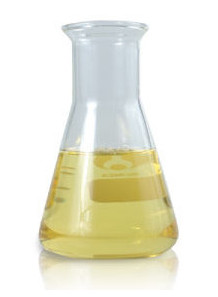
also known as inositol hexakisphosphate (IP6) or phytate when in salt form, is a naturally occurring compound found in plant seeds. It serves as the principal storage form of phosphorus in many plant tissues, especially bran and seeds
| Test Name | Specification |
|---|---|
| Appearance (Colour and lustre) | Light yellow or buff |
| Physical State | Viscous liquid |
| Phytic Acid Content | ≥ 50% |
| Inorganic Phosphorus | ≤ 0.02% |
| Chloride (as Cl) | ≤ 0.02% |
| Sulphate (as SO4) | ≤ 0.02% |
| Iron (as Fe) | ≤ 0.02% |
| Arsenic (As) | ≤ 3.0 mg/kg |
| Lead (Pb) | ≤ 0.2 mg/kg |
No products
also known as inositol hexakisphosphate (IP6) or phytate when in salt form, is a naturally occurring compound found in plant seeds. It serves as the principal storage form of phosphorus in many plant tissues, especially bran and seeds
| Mechanism | - |
| Appearance | - |
| Longevity | - |
| Strength | - |
| Storage | - |
| Shelf Life | - |
| Allergen(s) | - |
| Dosage (Range) | - |
| Recommended Dosage | - |
| Dosage (Per Day) | - |
| Recommended Dosage (Per Day) | - |
| Mix Method | - |
| Heat Resistance | - |
| Stable in pH range | - |
| Solubility | - |
| Product Types | - |
| INCI | - |