


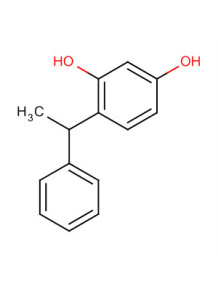
It is considered one of the safest whitening substances. and provide maximum efficiency Compared to general whitening substances such as Kojic Acid, Alpha Arbutin
*Can irritate the skin*
No products
It is considered one of the safest whitening substances. and provide maximum efficiency Compared to general whitening substances such as Kojic Acid, Alpha Arbutin
*Can irritate the skin*
Phenylethyl Resorcinol works to brighten the skin.
Phenylethyl Resorcinol It is classified as one of the safest whitening substances. and provide maximum efficiency Compared to general whitening substances such as Kojic Acid , Alpha Arbutin
Popularly called SymWhite 377 (this product is not produced by the producer of SymWhite 377, it only has identical chemical structure)
From the experimental results Controls the process of pigment production (tyrosynase) in mushrooms. It was found that Phenylethyl Resorcinol Has the highest efficiency in controlling pigments in experimental mushrooms compared to whitening substances Other types include whitening substances that have similar structures to Phenylethyl Resorcinol (e.g. dyhydropinosylvin) where units on the left axis refer to "times" of Kojic Acid
From experiments with Melanoma Cells (pigment cells) in the experimental plate, it was found that Phenylethyl Resorcinol Effective in Reduces pigmentation more clearly than popular whitening substances on the market compared to Kojic Acid It has an efficiency of more than 210 times (this experiment was conducted in an experimental plate)
Phenylethyl Resorcinol It also has antioxidant effects. When tested for DPPH Assay (efficiency of antioxidants), it was found that Phenylethyl Resorcinol Can work well From a concentration level of 1uM and above, if you consider 25uM it will be found that it has more anti-oxidant effect. alpha-tocopherol (natural Vitamin E) and BHT (a synthetic chemical commonly used as an anti-oxidant)
Tyrosinase Inhibition: Phenylethyl resorcinol is often highlighted for its powerful inhibition of tyrosinase, the key enzyme in melanin (pigment) production. By reducing tyrosinase activity, phenylethyl resorcinol can help diminish hyperpigmentation, dark spots, and uneven skin tone.
Potential Alternative to Hydroquinone: While hydroquinone is a well-known skin-lightening agent, phenylethyl resorcinol has been studied as a gentler alternative with less risk of irritation or rebound pigmentation.
Maeda K, Fukuda M. (1996). Arbutin: mechanism of its depigmenting action in human melanocyte culture. Journal of Pharmacological and Experimental Therapeutics, 276(2), 765–769.
While this paper primarily discusses arbutin, it also reviews multiple resorcinol derivatives (including phenylethyl resorcinol) in the context of melanin synthesis inhibition.
Choi H, et al. (2012). Biological effects of phenylethyl resorcinol: Anti-tyrosinase and antioxidant properties in vitro. Journal of Dermatological Science, 65(2), 124–131.
Explores phenylethyl resorcinol’s capacity to inhibit tyrosinase activity and reduce melanin production in cell-based assays.
Lee YS, et al. (2014). Skin-lightening effect of 4-(1-phenylethyl)resorcinol in Asian skin: A clinical trial. Journal of Cosmetic and Laser Therapy, 16(1), 32–37.
Reports on a clinical study showing improvement in skin brightness and reduction in hyperpigmented spots in participants using a phenylethyl resorcinol–containing formula.
Free Radical Scavenging: Phenylethyl resorcinol contains resorcinol-like chemical groups capable of scavenging reactive oxygen species (ROS). This antioxidant effect can help protect skin cells from oxidative damage that contributes to the visible signs of aging (wrinkles, loss of elasticity, etc.).
Synergistic Formulations: Some studies suggest phenylethyl resorcinol may work in synergy with other antioxidants (like vitamins C and E) to bolster overall free radical defense.
Kolbe L, et al. (2011). Antioxidant efficacy of topical formulations containing phenolic skin lighteners. International Journal of Cosmetic Science, 33(3), 239–243.
Demonstrates that phenolic compounds, including phenylethyl resorcinol, exert notable antioxidant activity and can enhance the protective effect of topical antioxidants.
Pinnell SR. (2003). Cutaneous photodamage, oxidative stress, and topical antioxidant protection. Journal of the American Academy of Dermatology, 48(1), 1–19.
Reviews general mechanisms of oxidative stress on skin and discusses the role of phenolic antioxidants (such as resorcinol derivatives) in mitigating photodamage.
Enhanced Radiance: By both lightening hyperpigmented areas and providing mild exfoliative or cell turnover benefits, phenylethyl resorcinol can contribute to a fresher, more luminous complexion.
Compatibility with Other Actives: Phenylethyl resorcinol is typically well-tolerated and often formulated with niacinamide, kojic acid, vitamin C, or sunscreen agents to amplify brightening and protective effects.
Reduced Irritation Potential: Compared to older-generation resorcinol derivatives, phenylethyl resorcinol is formulated in lower concentrations yet retains high efficacy, leading to a lower risk of irritation for many individuals.
Concentration & pH: Most commercially available products contain phenylethyl resorcinol in the range of 0.1–1.0% (though specific formulations vary). This concentration balances efficacy with reduced risk of skin sensitization.
Sun Protection: As with all topical brightening agents, concurrent use of sunscreen is essential to protect from UV-induced pigmentation and to maximize the brightening benefits.
Layering with Other Ingredients: Phenylethyl resorcinol pairs well with vitamin C serums, niacinamide lotions, and gentle chemical exfoliants (like lactic acid) to enhance penetration and overall brightening.
Kim YJ, Uyama H. (2005). Tyrosinase inhibitors from natural and synthetic sources: Structure, inhibition mechanism and perspective for the future. Cellular and Molecular Life Sciences, 62(15), 1707–1723.
Reviews a wide range of tyrosinase inhibitors, including resorcinol derivatives, with detailed discussion on the inhibition mechanisms.
Xing R, Liu L, Guo Z. (2016). Evaluation of phenylethyl resorcinol in preventing hyperpigmentation in B16 melanoma cells. Cosmetic Science and Technology, 4(3), 185–193.
Laboratory-based study showing phenylethyl resorcinol’s antimelanogenic activity in cultured melanoma cells.
Examples of cream recipes that include Phenylethyl Resorcinol 0.5%
1. Water 93.50%
2. Mineral Oil (light type) 5%
3. Satin Cream Maker™ 1%
4. Disodium EDTA 0.2% (helps increase stability of Phenylethyl Resorcinol )
5. Xanthan Gum 0.5%
6. ActiveProtec OX 0.5%
6. Phenylethyl Resorcinol 0.5%
Mixing steps:
1. Mix 2+3 together to make the oil, mix 1+4 together to make the water.
2. Add the water part to the oil part. Stir well until you get a creamy texture.
3. Add 5 to the resulting cream, stir well.
4. Measure the pH of the formula. If it is in the range greater than 6 or lower than 4, add alkali ( Triethanolamine ) or acid ( Citric Acid , Lactic Acid , Glycolic Acid ) to adjust
*Do not use Carbomer, Carbopol, PEG-400 in the formula.
*Some perfumes have problems with Phenylethyl Resorcinol and causes yellow color or stratification occurs Before using any perfume Must be tested first
*Avoid ingredients in the Amino Acids, Urea or any protein group in the formula as they may cause problems with Phenylethyl Resorcinol (Yellow/separate layers)
Please study additional experimental results from the attached brochure.
Usage: Can be used in Whitening products that are in cream or lotion form.
Mixing method:
- Mix in the final step into the cream The formula must include oil. But it is not necessary to bring Phenylethyl Resorcinol Mix it with the oil part first. Phenylethyl Resorcinol Directly into the cream in the last step Can use heat not exceeding 50 degrees to help. Phenylethyl Resorcinol Melts into the cream faster.
- The finished product should have a pH in the range of 4-5. If the pH is lower or higher, stability of Phenylethyl Resorcinol will deteriorate
Usage rate: 0.1-1.0% (recommended 0.5% for leave-on products applied to the skin)
Product characteristics: Light colored powder.
Solubility: Can dissolve in oil But in the mixing process, add Phenylethyl Resorcinol into the cream Only in the last step (If the formula is other texture such as gel texture The formula must include oil to help. Phenylethyl Resorcinol Can be dissolved into the formula)
INCI Name : Phenylethyl Resorcinol
Examples of products used Phenylethyl Resorcinol
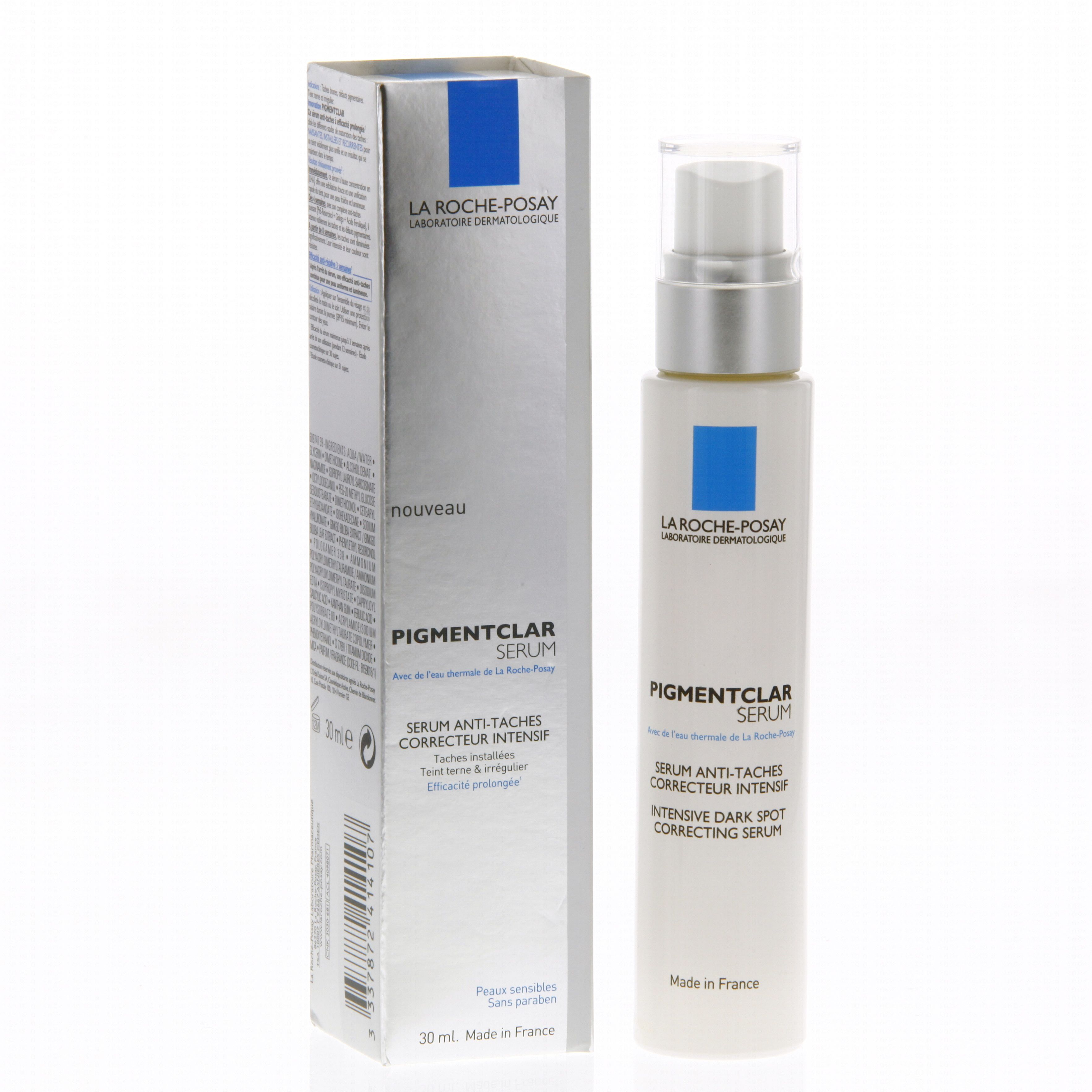
LA ROCHE-POSAY Pigmentclar Serum
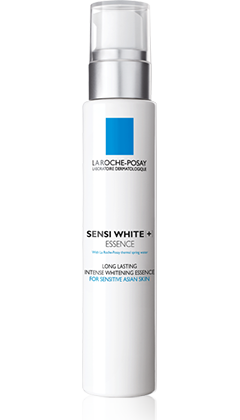
La Roche Posay Sensi White Essence
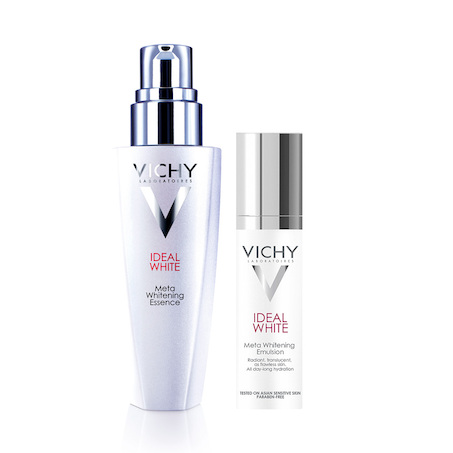
Vichy IDEAL WHITE META WHITENING ESSENCE
| Mechanism | - |
| Appearance | - |
| Longevity | - |
| Strength | - |
| Storage | - |
| Shelf Life | - |
| Allergen(s) | - |
| Dosage (Range) | - |
| Recommended Dosage | - |
| Dosage (Per Day) | - |
| Recommended Dosage (Per Day) | - |
| Mix Method | - |
| Heat Resistance | - |
| Stable in pH range | - |
| Solubility | - |
| Product Types | - |
| INCI | - |