


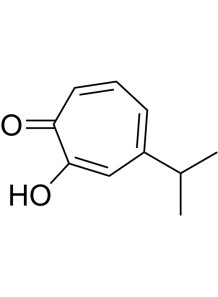
natural compound extracted from the wood of trees like the Aomori Hiba, exhibits a range of topical benefits due to its potent bioactive properties
Hinokitiol, a natural compound extracted from the wood of trees like the Aomori Hiba, exhibits a range of topical benefits due to its potent bioactive properties. Here are the key topical benefits of Hinokitiol:
1. Antimicrobial Properties: Hinokitiol has demonstrated broad-spectrum antimicrobial activity, making it effective against a variety of pathogens including bacteria, fungi, and viruses. This property is particularly beneficial for preventing and treating skin infections[1][2][3].
2. Anti-inflammatory Effects: It possesses anti-inflammatory properties, which can help reduce skin redness, swelling, and irritation. This makes Hinokitiol beneficial for conditions like acne and rosacea, where inflammation plays a key role[4].
3. Antioxidant Activity: As an antioxidant, Hinokitiol helps neutralize free radicals, protecting the skin from oxidative stress and damage caused by environmental factors such as UV radiation and pollution. This action contributes to its anti-aging benefits, helping to prevent premature skin aging[1][4].
4. Anti-acne Properties: Hinokitiol has shown to be effective against P. acnes, the bacteria responsible for acne. Its antimicrobial and anti-inflammatory properties work together to reduce acneic manifestations, making it a valuable ingredient in acne treatment formulations[2][4].
5. Anti-aging Benefits: It acts as a chelator of ions, which can reduce the expression of matrix metalloproteinases (MMPs) that break down collagen. By inhibiting UVB-induced apoptosis in keratinocytes, Hinokitiol helps to maintain the skin's structural integrity, reducing the signs of aging such as wrinkles and loss of elasticity[2].
6. Skin Healing: Hinokitiol's anti-inflammatory and antimicrobial properties contribute to its ability to promote skin healing. It is effective in reducing redness and healing, making it a useful ingredient in products aimed at repairing the skin barrier and treating damaged skin[4].
7. Hyperpigmentation Treatment: It has been found to inhibit the enzyme tyrosinase, which is involved in the production of melanin. By reducing the formation of pigment, Hinokitiol can help treat hyperpigmentation, leading to a more even skin tone[4].
8. Safety and Gentle Action: Despite its powerful bioactive properties, Hinokitiol is known for being gentle on the skin. There is no known acquired resistance to it, unlike some prescription antibiotics, making it a safe and effective ingredient for long-term use in skincare[4].
In summary, Hinokitiol offers a wide range of topical benefits, including antimicrobial, anti-inflammatory, antioxidant, and anti-aging effects. Its ability to treat acne, promote skin healing, and address hyperpigmentation, all while being gentle on the skin, makes it a valuable ingredient in skincare formulations[1][2][3][4].
Citations:
[1] https://www.mdpi.com/2227-9717/9/9/1680
[2] https://www.amitahc.com/personal-care-make-up/hinoline-full-spectrum-antimicrobial-ingredient/
[3] https://www.ncbi.nlm.nih.gov/pmc/articles/PMC10101018/
[4] https://www.theskincellar.com/hinokitiol-a-hero-ingredient/
[5] https://www.healthline.com/nutrition/magnolia-bark
| Test Name | Specification |
|---|---|
| Appearance | White solid |
| Identification | Conforms to the spectrum of the Reference substance |
| Melting point | 48-54C |
| Related substances (GC) : Ethanol | 0.2% Max |
| Related substances (GC) : Unknown individual impurities | 0.1% Max |
| Related substances (GC) : Total impurities | 1.0% Max |
| Heavy metals : Lead | 10mg/kg Max |
| Heavy metals : Arsenic | 2mg/kg Max |
| Heavy metals : Cadmium | 5mg/kg Max |
| Heavy metals : Mercury | 1mg/kg Max |
| Heavy metals : Total heavy metals | 0.001% Max |
| Water | 0.1% Max |
| Residue on ignition | 0.1% Max |
| Assay (GC) | 99.5% Min |
No products
natural compound extracted from the wood of trees like the Aomori Hiba, exhibits a range of topical benefits due to its potent bioactive properties
Hinokitiol, a natural compound extracted from the wood of trees like the Aomori Hiba, exhibits a range of topical benefits due to its potent bioactive properties. Here are the key topical benefits of Hinokitiol:
1. Antimicrobial Properties: Hinokitiol has demonstrated broad-spectrum antimicrobial activity, making it effective against a variety of pathogens including bacteria, fungi, and viruses. This property is particularly beneficial for preventing and treating skin infections[1][2][3].
2. Anti-inflammatory Effects: It possesses anti-inflammatory properties, which can help reduce skin redness, swelling, and irritation. This makes Hinokitiol beneficial for conditions like acne and rosacea, where inflammation plays a key role[4].
3. Antioxidant Activity: As an antioxidant, Hinokitiol helps neutralize free radicals, protecting the skin from oxidative stress and damage caused by environmental factors such as UV radiation and pollution. This action contributes to its anti-aging benefits, helping to prevent premature skin aging[1][4].
4. Anti-acne Properties: Hinokitiol has shown to be effective against P. acnes, the bacteria responsible for acne. Its antimicrobial and anti-inflammatory properties work together to reduce acneic manifestations, making it a valuable ingredient in acne treatment formulations[2][4].
5. Anti-aging Benefits: It acts as a chelator of ions, which can reduce the expression of matrix metalloproteinases (MMPs) that break down collagen. By inhibiting UVB-induced apoptosis in keratinocytes, Hinokitiol helps to maintain the skin's structural integrity, reducing the signs of aging such as wrinkles and loss of elasticity[2].
6. Skin Healing: Hinokitiol's anti-inflammatory and antimicrobial properties contribute to its ability to promote skin healing. It is effective in reducing redness and healing, making it a useful ingredient in products aimed at repairing the skin barrier and treating damaged skin[4].
7. Hyperpigmentation Treatment: It has been found to inhibit the enzyme tyrosinase, which is involved in the production of melanin. By reducing the formation of pigment, Hinokitiol can help treat hyperpigmentation, leading to a more even skin tone[4].
8. Safety and Gentle Action: Despite its powerful bioactive properties, Hinokitiol is known for being gentle on the skin. There is no known acquired resistance to it, unlike some prescription antibiotics, making it a safe and effective ingredient for long-term use in skincare[4].
In summary, Hinokitiol offers a wide range of topical benefits, including antimicrobial, anti-inflammatory, antioxidant, and anti-aging effects. Its ability to treat acne, promote skin healing, and address hyperpigmentation, all while being gentle on the skin, makes it a valuable ingredient in skincare formulations[1][2][3][4].
Citations:
[1] https://www.mdpi.com/2227-9717/9/9/1680
[2] https://www.amitahc.com/personal-care-make-up/hinoline-full-spectrum-antimicrobial-ingredient/
[3] https://www.ncbi.nlm.nih.gov/pmc/articles/PMC10101018/
[4] https://www.theskincellar.com/hinokitiol-a-hero-ingredient/
[5] https://www.healthline.com/nutrition/magnolia-bark
| Mechanism | - |
| Appearance | - |
| Longevity | - |
| Strength | - |
| Storage | - |
| Shelf Life | - |
| Allergen(s) | - |
| Dosage (Range) | - |
| Recommended Dosage | - |
| Dosage (Per Day) | - |
| Recommended Dosage (Per Day) | - |
| Mix Method | - |
| Heat Resistance | - |
| Stable in pH range | - |
| Solubility | - |
| Product Types | - |
| INCI | - |